
Thought Leadership
How Does a Laser Cutting Machine Work? Here's the Explanation
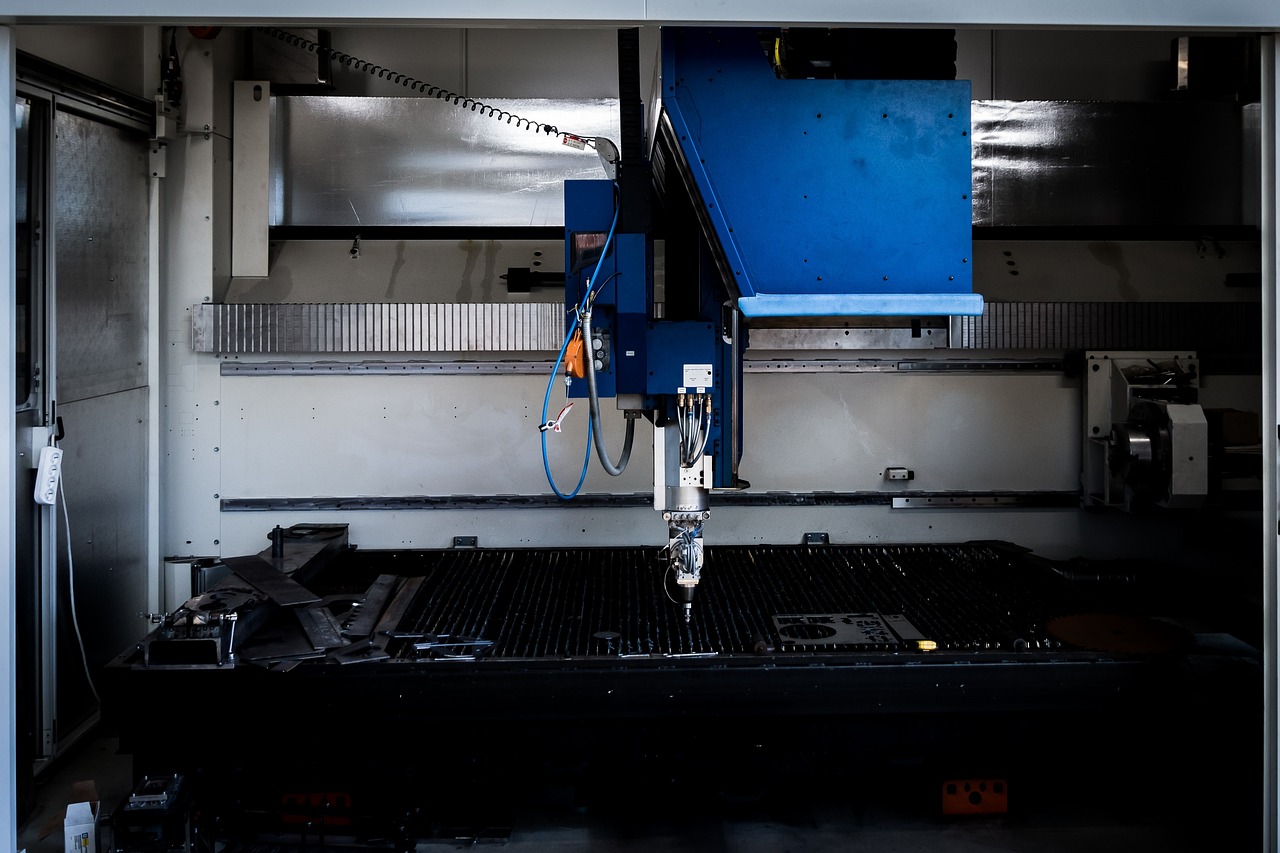
A laser cutting machine represents sophisticated technology that serves various modern industries. These devices utilize laser beam technology to precisely cut numerous materials, especially metals and steel. The resulting cuts are remarkably clean and precise, making such machines popular across manufacturing and creative sectors.
Components of a Laser Cutting Machine
Laser Source
This component generates the laser beam. Its primary function involves producing powerful laser beams for material cutting operations.
Optical System
Comprising lenses and mirrors, the optical system directs laser beams through focused points on single areas. The concentrated beam then performs the cutting.
Work Table
This surface holds materials during cutting and typically includes clamping mechanisms to maintain material stability throughout operations.
Cooling and Ventilation System
Water cooling systems stored in chillers distribute cooling to laser sources. Nitrogen, oxygen, and compressed air release during cutting through the laser head's bottom section. Ventilation systems safely remove dust and smoke from cut materials.
Control System
Computer-based controls manage all machine functions, from laser operation to cutting processes, typically operated through built-in computers and dedicated remotes.
Working Principle of a Laser Cutting Machine
Laser Beam Production
The cutting process begins with highly focused, powerful laser beam generation from sources like gas tubes or optical fibers — the essential element for material cutting.
Laser Focusing and Direction
After emission, the beam passes through optical systems to reach desired cutting areas. The system focuses lasers into very small, sharp beams for clean, precise cuts.
Material Cutting
Materials positioned on work tables undergo cutting once lasers focus, sharpen, and heat sufficiently. The heat enables metal and steel-based material cutting.
Cooling and Ventilation
Cooling systems operate during cutting to prevent overheating, while ventilation ensures cut material debris doesn't interfere with operations.
Types of Laser Cutting Machines
CO2 Laser
These machines generate lasers using carbon dioxide gas. CO2 laser beams are highly suitable and effective for cutting non-metal materials like acrylic, wood, or paper.
Fiber Laser
Fiber laser machines generate beams using optical fibers with very high intensity, making them ideal for cutting or engraving metals including steel, stainless steel, and aluminum.
YAG Laser
YAG (Yttrium Aluminum Garnet) lasers use YAG crystals as their medium for beam generation. Though considered older technology compared to alternatives, they excel for extremely high-precision tasks.
This brief explanation outlines the working process of a laser cutting machine, from laser generation, focusing, cutting, to cooling. An operator controls these processes via computer.